
 EN
EN
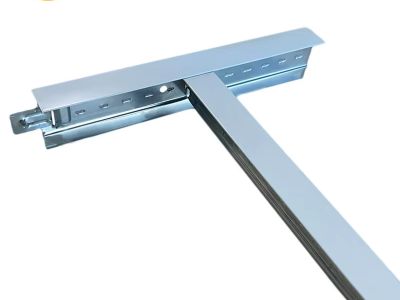
Quality Control in Ceiling Grid Manufacturing: Ensuring Safe and Durable Ceiling Systems
Quality control is very important in manufacturing ceiling grid components. These components are used to support ceilings in buildings such as schools, hospitals, and offices. If the quality is poor, the ceiling could fail, creating serious safety risks. At SAINTEC, we understand that maintaining the highest quality standards helps protect our customers and ensures long-term safety. Quality control means inspecting and testing every component to ensure it is strong, reliable, and built to last. It is not just about making a product it is about manufacturing a product that performs consistently over time. We pay close attention to every detail, from the materials we use to the way each component is assembled, ensuring every ceiling grid system meets strict quality standards.
How to Ensure Top Quality in Ceiling Grid Manufacturing?
Producing high-quality ceiling grid components begins with selecting premium raw materials. The metals and other materials used must be strong, durable, and resistant to wear. These materials should come from trusted suppliers that meet strict manufacturing standards.
Skilled workers also play an important role in maintaining product quality. Proper training ensures that manufacturing equipment is operated correctly and inspected regularly to keep production running smoothly. Advanced manufacturing technology further improves quality by monitoring the production process and detecting problems quickly. For example, automated systems can identify components that are cut incorrectly before they move to the next production stage.
Quality inspections should be performed throughout the manufacturing process rather than only after production, is complete. Raw materials, in-process components, and finished products should all be tested to verify they meet required specifications. If any issues are discovered, they can be corrected immediately, preventing larger problems later.
Customer feedback is another valuable part of quality improvement. Listening to customer experiences helps manufacturers understand what works well and identify opportunities for improvement. Maintaining detailed quality records also helps identify production trends and supports better decision-making for future manufacturing.
By combining quality materials, skilled workers, advanced technology, continuous inspections, customer feedback, and thorough documentation, manufacturers can consistently produce ceiling grid components that meet high industry standards.
How Quality Control Improves the Durability of Ceiling Grid Systems?
Quality control has a significant impact on the durability and long-term performance of ceiling grid systems. When manufacturers prioritize quality, they produce products that can withstand years of use while maintaining structural integrity.
Poorly manufactured ceiling grids may struggle to support the weight of ceiling tiles, lighting fixtures, air conditioning units, and other suspended equipment. This can lead to sagging, deformation, or even structural failure. To prevent these problems, ceiling grid systems should PVC gypsum ceiling tiles undergo comprehensive strength testing to determine how much weight they can safely support.
Manufacturers should also evaluate product performance under different environmental conditions. Ceiling grids installed in humid areas, warehouses, swimming pools, or industrial facilities must resist moisture, temperature changes, and corrosion. Testing products under these conditions helps ensure reliable performance in a wide range of applications.
Durable ceiling grid systems also reduce maintenance and replacement costs. Building owners benefit from products that require fewer repairs and continue performing reliably for many years. High-quality manufacturing allows customers to install ceiling systems with confidence, knowing they will remain safe and dependable over time.
What Standards Should Ceiling Grid Components Meet?
Wholesale buyers should understand the quality standards that ceiling grid components must meet before purchasing products for large construction projects. Since ceiling grids support ceiling tiles and additional fixtures, they must be manufactured from durable materials capable of long-term performance.
Corrosion resistance is one of the most important requirements. Materials such as Mineral fiber ceiling tiles galvanized steel provide excellent protection against rust, making them suitable for humid environments where ordinary steel may deteriorate. Load-bearing capacity is another critical standard. Ceiling grid systems must safely support the combined weight of ceiling panels, lighting fixtures, ventilation systems, and other suspended equipment. Manufacturers verify this through load testing to ensure the components do not bend, deform, or fail under normal operating conditions.
Accurate dimensions are equally important. Ceiling grid components must meet precise size and shape specifications to ensure proper installation, secure connections, and overall structural stability.
Compliance with local building codes and fire safety regulations is also essential. Ceiling grid systems should pass required fire-resistance tests and meet government safety requirements for commercial and public buildings.
Finally, buyers should look for recognized quality certifications that demonstrate products have been independently tested for safety, performance, and reliability. Purchasing certified products helps ensure long-lasting performance and compliance with industry standards.
How Innovation Is Improving Quality Control in Ceiling Grid Manufacturing?
Modern technology continues to transform quality Ceiling T grid control in ceiling grid manufacturing. One of the biggest advancements is the use of automated inspection systems that monitor production in real time. These systems quickly detect manufacturing defects, allowing problems to be corrected before products leave the factory.
Sensors installed on production equipment continuously measure factors such as material thickness, dimensions, and alignment. If measurements fall outside acceptable limits, the system immediately alerts operators so corrective action can be taken.
Computer-aided design (CAD) software and simulation technology have also improved product development. Engineers can create virtual models of ceiling grid components and test their performance under different conditions before manufacturing begins. This helps identify weak points early, reducing production costs and improving product quality.
Data analysis has become another valuable quality management tool. By collecting and analyzing manufacturing data, companies can identify patterns that may indicate recurring defects or material inconsistencies. This allows manufacturers to address root causes and continuously improve production processes.
Sustainability is also shaping modern quality control. Many manufacturers now use environmentally responsible materials and production methods that reduce waste while maintaining high product quality. Sustainable manufacturing not only benefits the environment but also provides safer and more reliable products for customers.
By combining advanced automation, digital design tools, data-driven quality management, and sustainable manufacturing practices, modern ceiling grid manufacturers can consistently deliver durable, high-quality products that meet the demanding requirements of today's construction industry.
Table of Contents
- Quality Control in Ceiling Grid Manufacturing: Ensuring Safe and Durable Ceiling Systems
- How to Ensure Top Quality in Ceiling Grid Manufacturing?
- How Quality Control Improves the Durability of Ceiling Grid Systems?
- What Standards Should Ceiling Grid Components Meet?
- How Innovation Is Improving Quality Control in Ceiling Grid Manufacturing?